- Tech Savvy Mag
- Battery and Care
- What a CR2032 battery powers and how to handle it safely
What a CR2032 battery powers and how to handle it safely
Find out what electronics use a CR2032 battery, how to swap one safely without bending the contacts, and what to do if a child swallows a coin cell.
Explained by Barrett Ashworth
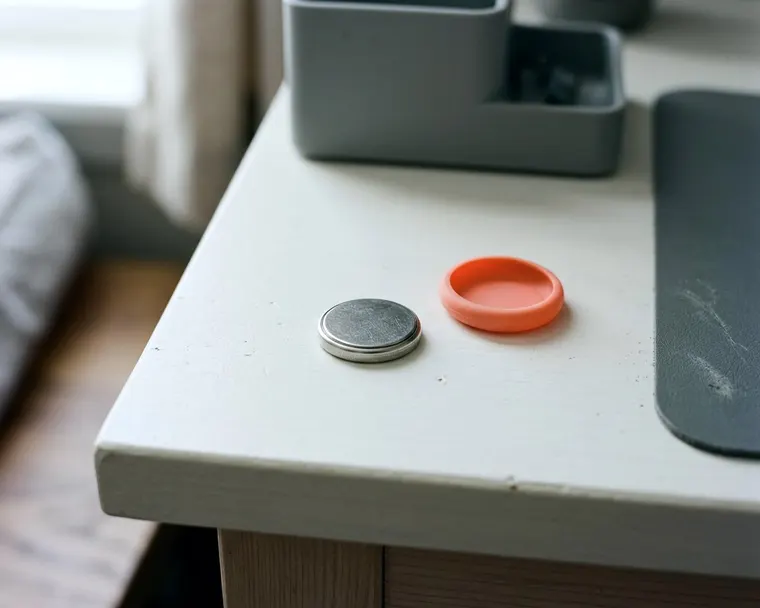
A CR2032 battery is a small round power source that runs flat electronics like remote controls, fitness trackers and key fobs. It provides a steady charge over a long period. These small metal discs pose a severe risk to young children and require careful storage and disposal to prevent accidents.
Decoding the letters and numbers on a CR2032 battery
The label on a CR2032 battery tells you exactly what is inside and how big it is. The letter C stands for lithium chemistry, and the R means the battery is round. This material provides a stable power output over a long shelf life.
The next four numbers indicate the physical size. A standard CR2032 cell measures 20.0 mm across and 3.2 mm thick. The 20 matches the diameter, and the 32 matches the thickness. You can read these dimensions directly from the name.
This specific size delivers a nominal voltage of 3 volts. It also has a nominal capacity of 225 mAh. That capacity keeps small devices running for months or years without needing a replacement.
A single thin coin cell can still power small LED lights and wireless transmitters. The flat side with the engraved text serves as the positive terminal. The slightly bumpy bottom side is the negative terminal. The rim around the edge is separated by a tiny insulating ring.
Common electronics that rely on a CR2032 battery
You will find this 3-volt lithium coin battery in electronics that lack the space for cylindrical AA or AAA cells. Many car key fobs use one. When your fob stops working from a distance, the coin cell is usually running low.
You might have to walk right up to the car door to open it, and eventually the fob will not start the engine. Garage door openers, small television remotes and portable calculators also rely on them. Learning how a smart garage door controller works often reveals a hidden coin cell in the wireless keypad.
Inside a desktop computer motherboard, one of these batteries keeps the system clock running while the machine is off. It preserves your basic system settings when you unplug the desktop from the wall. The battery sits in a small circular slot near the bottom edge of the board. If your computer displays the wrong date every time you turn it on, that motherboard battery may have run dry.
Some small medical devices like glucose monitors and digital thermometers use them to stay compact. The batteries also power small toys, musical greeting cards, fitness trackers, guitar tuners and electronic bathroom scales.
Many smart home sensors use a coin cell battery to detect motion or monitor a window. These sensors stick flat to walls and door frames. A light coin cell suits sensors that stick to walls and frames.
If you are deciding if smart appliances are worth paying more for, factor in the minor maintenance of replacing batteries in their small wireless sensors. When a sensor drops offline, checking the battery is the first troubleshooting step. These batteries perform well in indoor conditions but may drain faster if a sensor sits in a cold garage or unheated porch.
Can you use a CR2025 battery or CR2016 instead
A CR2025 battery and a coin cell like the CR2016 look very similar to a CR2032. They look very similar to a CR2032, but they are thinner. Check the size printed on your device.
The CR2025 and CR2016 are thinner than a CR2032. You should stick to the exact size printed on your device or its old battery.
Some people try to stack two CR2016 batteries to fill a CR2032 slot. Stacking cells raises the voltage and can damage a device designed for 3 volts, so do not do it.
Putting a single thinner coin cell battery into a CR2032 slot will leave a gap. The metal contacts might not touch the battery tightly enough to maintain a reliable connection. The device will likely shut off if bumped or shaken in your pocket.
A thinner battery also holds less charge. You will end up replacing it much sooner. You can rarely put a CR2032 into a slot meant for a thinner battery because the battery compartment cover will not close tight. Forcing the plastic cover shut can snap the delicate plastic tabs holding it in place.
How to change a coin cell battery without bending the contacts
Battery compartments on small devices use delicate metal prongs to hold the battery in place. These springy contacts can deform easily. If they bend too far back, they will not apply enough pressure to the new cell. The connection will break every time the device moves.
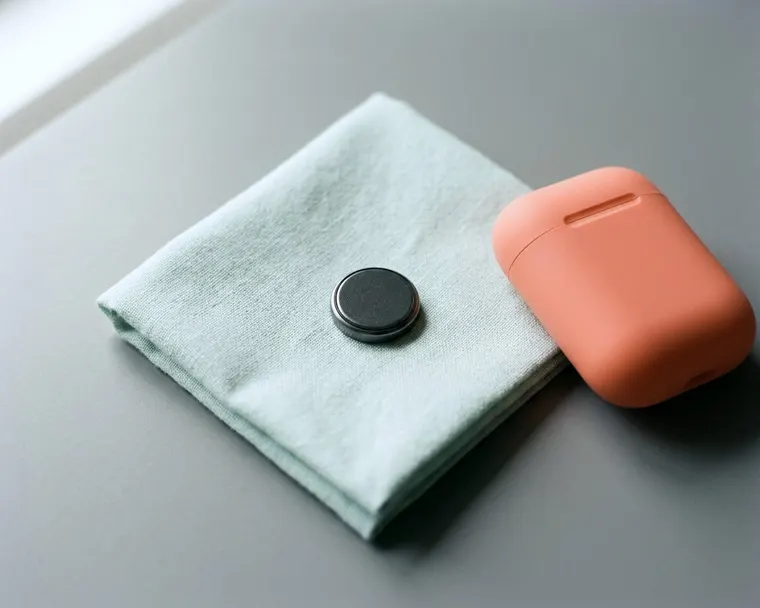
Start by opening the plastic casing. A key fob might require a small flathead screwdriver inserted into a side notch and twisted gently to pop the two halves apart. Look for a tiny latch or sliding mechanism on the side of the battery slot. Many devices use a small metal spring clip.
- Wash and dry your hands to remove oils that can coat the metal surface and add electrical resistance.
- Push the old battery away from the spring clip using a fingernail or a plastic guitar pick.
- Wait for the opposite edge of the battery to pop upward and pull it free.
- Wipe the new battery with a dry cloth and slide the positive side under the angled metal tabs first.
- Press the battery down flat until the spring clip snaps over the edge.
Never use a metal screwdriver to pry the battery out of its socket. Metal tools can bend the contacts and short circuit the old battery. The new battery should sit perfectly flat inside the circular cutout.
The severe risk these small batteries pose to children
A swallowed button or coin cell battery is extremely dangerous. The risk goes far beyond choking. When a battery gets stuck in the throat or esophagus, it can burn through the tissue around it.
These burns can be severe. A swallowed button or coin battery can cause serious harm in as little as two hours. Burns like these can cause lasting damage.
These accidents happen frequently. CPSC counted 27 deaths and an estimated 54,300 emergency room injuries linked to button and coin batteries from 2011 to 2021. Children often find loose batteries left on coffee tables. They also pry them out of unsecured remote controls and flashing toys.
A lithium coin cell is small enough for a child to swallow, so treat every spare and every used cell as a hazard.
What to do immediately if a child swallows a battery
If you suspect a child swallowed a coin cell battery, go to the emergency room immediately. Do not wait for symptoms to appear, because CPSC says harm can begin in as little as two hours.
Ask the hotline or the Poison Help Line before you try to induce vomiting or give the child any food or drink.
You can call the National Battery Ingestion Hotline at 800 498 8666 for guidance. You can also reach the Poison Help Line at 800 222 1222. Put these numbers in your phone contacts.
Take the battery packaging or the device it came from with you. Medical staff will use that information to identify the exact battery size and chemistry. Tell them anything you know about the battery.
Safe storage and disposal of loose coin batteries
Keep all spare batteries in their original packaging until you need them. Store them in a high cabinet or a locked box out of reach of children.
Federal safety rules mandate stricter packaging to prevent accidents. Under Reese's Law, coin batteries made or imported after February 12, 2023 must come in child resistant packaging.
Do not cut the entire package open at once. Cut out only the single battery you are replacing. Leave the rest sealed in their tough plastic squares.
Used batteries can still cause injury if swallowed, so keep a dead battery out of children's reach as soon as you remove it. Check your local battery recycling program for how it wants used cells prepared.
Then drop the battery off at a local battery recycling center or a hazardous waste facility. Knowing how to dispose of lithium batteries safely covers the rules in more detail. Check local rules before putting any battery in household trash or recycling.