- Tech Savvy Mag
- Battery and Care
- How to dispose of lithium batteries without starting a fire
How to dispose of lithium batteries without starting a fire
Learn proper lithium battery disposal to prevent dangerous fires. Find out how to prep your batteries and where to drop them off safely in your local area.
Explained by Barrett Ashworth
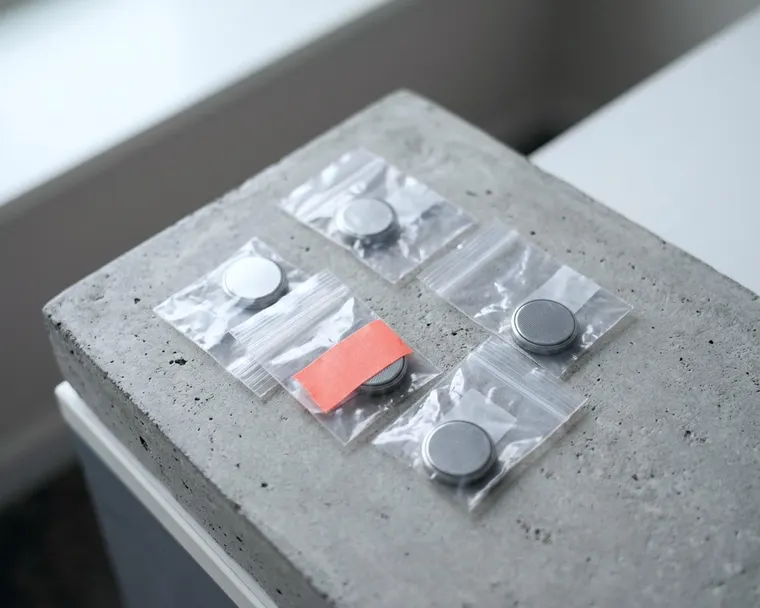
Keep lithium batteries out of your regular trash and curbside recycling bins. Throwing them away can create a fire hazard. EPA advises taping the terminals or bagging each battery, then taking them to a recycler or household hazardous waste collection point.
Why lithium batteries start fires in trash trucks
Collection trucks and sorting machines crush and compact waste. EPA says damage or crushing during collection and sorting can create a fire hazard.
A crushed or punctured battery can overheat and start a fire, which is why EPA wants them kept out of the bins.
A fire that starts in a load of mixed trash can be hard to put out.
The EPA says lithium ion batteries should not go in household garbage or recycling bins. EPA also says batteries can be damaged in transport or by sorting equipment, which creates a fire risk at waste and recycling facilities.
Recycling facilities face the same risk. A battery can get through the truck ride and still be damaged later by sorting equipment. That is why batteries belong in a proper drop-off, not the bin.
Devices that hide a lithium battery inside
You likely know your smartphone and laptop rely on rechargeable lithium power. You might even track habits that help your phone battery last longer. Many smaller household gadgets hide similar power cells inside sealed plastic shells.
Wireless earbuds and their protective charging cases contain tiny lithium cells. Electric toothbrushes, electric shavers, and vape pens also use them. Rechargeable power tools and handheld vacuums hold large lithium battery packs that require careful handling.
Smart home devices often rely on built-in rechargeable packs. A smart doorbell or a wireless security camera usually holds a lithium cell. Portable chargers contain lithium batteries, so check airline rules before taking a portable charger on a plane, and do not throw one away in the trash either.
Look at the device if you are unsure how it gets power. A gadget that plugs into a wall outlet to recharge may contain a lithium-ion battery. You can also look for warning labels. Check the plastic casing for the letters Li-ion or an icon of a crossed out trash can.
Devices that run on standard alkaline batteries are different. You can usually slide a plastic cover off and pull the alkaline batteries out, whereas lithium power cells are often glued tightly inside the frame. A garage remote might use a non-rechargeable CR2032 battery. Check your local program for how to dispose of it.
Tape or bag each battery before drop off
Proper lithium battery disposal requires a little preparation. You must secure the exposed metal contacts before you carry the batteries anywhere. Loose batteries can shift around during a car ride and bump into each other.
A positive terminal touching a piece of metal will create a spark. A stray paperclip or a loose coin in your pocket can easily trigger this reaction. To prevent fires, EPA advises taping battery terminals or placing each battery in its own plastic bag.
Find the metal contacts on your bare battery. These are the flat gold or silver squares where the electricity flows out. Cut a small strip of non-conductive tape such as electrical tape. Press the tape firmly over the metal contacts so no metal remains visible.
Covering the terminals helps prevent accidental sparks. You can use plastic sandwich bags if you do not have any tape. Slide one battery into a clear plastic bag and push the extra air out. Seal the bag tightly.
Do not drop multiple batteries into a single bag. They will rub together and defeat the purpose of the plastic barrier. Each cell needs its own dedicated bag to remain safe.
Store your taped or bagged batteries safely while you gather enough for a drop-off trip. Keep them somewhere dry, away from heat and direct sunlight, and ask your local program if it has storage advice.
Where to take them
You cannot leave lithium batteries on the curb for your weekly trash pickup. The EPA says to take them to separate recycling or household hazardous waste collection points. Some retailers take batteries back through electronics take-back services.
Collection bins differ, so read the signage on the front of the box. Please do not drop other items into a box meant for lithium cells.
Finding a reliable drop-off location takes only a few minutes. The EPA names the Earth911 database and Call2Recycle as two resources for finding a recycler. You can search their websites for options near you.
Call the store ahead of time if you cannot get the battery out of your device. An electric toothbrush or a waterproof speaker might be permanently sealed shut. Ask the store clerk if they accept the entire device intact. Some locations may take the whole device, so ask first.
Hand the batteries directly to a store employee if the collection bin appears damaged or full. Never balance a battery on top of an overflowing bin where it might fall and break.
What happens after you drop them off
Dropping off your old batteries keeps them out of the garbage truck and sends them toward recycling.
What happens next depends on the recycler, and EPA points to recycling as the right path for these batteries.
Recycling can recover materials from the batteries, though the exact process depends on the facility.
To learn what a specific program does with your batteries, ask the collection site or recycler.
Extra care for swollen or damaged batteries
A failing lithium battery can swell and stretch its casing. You might see the plastic seams of a portable speaker splitting open.
Laptop batteries often sit under the keyboard and trackpad. A trackpad that suddenly stops clicking might indicate a swollen battery pushing up from below. Treat a swollen battery as a safety problem and stop using the device.
You should never press, squeeze, or poke a puffy battery, because damage to a battery can cause a fire. Do not pry a swollen battery out of a device yourself.
Damaged batteries need different handling. EPA says to contact the battery or device manufacturer for specific handling information, so do that before you take one to a retail collection box.
Ask the manufacturer or your local household hazardous waste program how to store a damaged battery safely until you can drop it off.
Take a damaged battery to a household hazardous waste collection point, which EPA lists as a place for these batteries, and tell the workers it is damaged. Call ahead to confirm they accept it.
Rules that vary by state and city
Rules differ by state and city, so check the requirements where you live.
Your local sanitation department website is the most accurate place to check the rules for your address. Look for a section labeled hazardous waste or household chemicals. Some towns operate a permanent drop-off site, and some ask for proof of residency.
Some cities hold collection events, which may accept batteries along with other household hazardous waste. Check what each event accepts.
Mark the date on your calendar. Keep your bagged batteries somewhere safe until the event.
Ask your property manager about disposal rules if you live in a large apartment building. Some buildings may have their own disposal option. Never throw a lithium battery down a communal trash chute. Chutes lead to the trash, and EPA says these batteries should not go in household garbage.