- Tech Savvy Mag
- Smart Devices
- Replace an old garage opener or add a smart controller
Replace an old garage opener or add a smart controller
Deciding between a garage door opener replacement and a smart controller depends on the age of your motor and whether it passes basic safety tests.
Explained by Barrett Ashworth
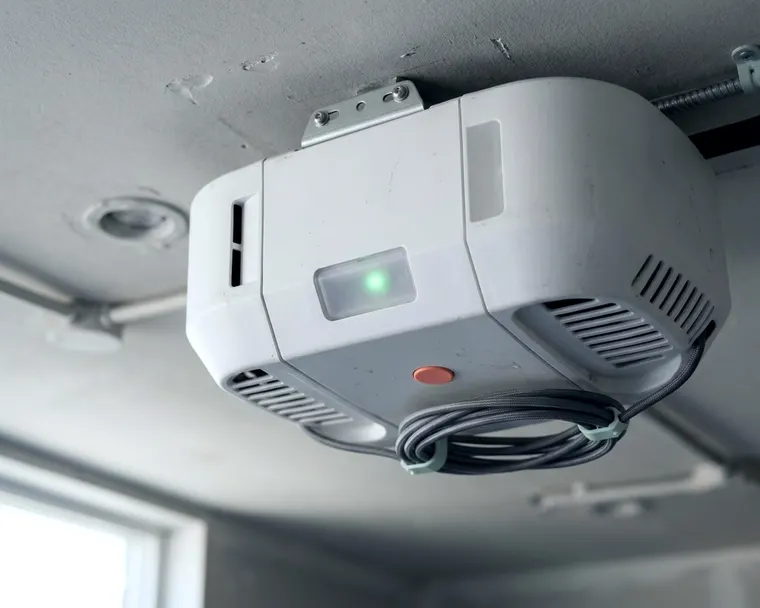
Replacing an old garage door motor gets you built-in wireless connectivity, backup power and modern safety sensors. Adding a smart controller to an existing setup gives you phone alerts and remote access without the heavy lifting. The right choice depends entirely on how well the mechanical parts above your car still operate.
What a connected motor does differently
A full replacement puts the wireless radio, the logic board and the lifting mechanics inside a single housing. Because the smart features are integrated directly into the factory hardware, the opener can often track how far the door has moved along the rail. That position can show up in your phone app.
An add-on controller wires directly into your existing wall button terminals to trigger the old motor. You usually get less diagnostic feedback. Instead, many controllers rely on a separate tilt sensor mounted to the top door panel.
If you understand how a smart controller operates, you know it uses that sensor just to detect gravity. It reports whether the door is up or down. It may not be able to tell a door stuck halfway up from one operating normally.
Features that justify a full upgrade
New connected openers offer practical features you use every day. Many have quiet direct current motors that start slowly and slow down before the door closes. This soft start technology can reduce the jerk and vibration that carries into rooms above the garage.
Integrated LED lighting helps you see better at night. Older motors often use standard light bulbs that need replacing. Many newer units have built-in LED lighting that lasts much longer.
Some new motors also include a backup battery. During a power outage, such a model can keep running on its stored power, so you may be able to use the door without pulling the manual release cord in the dark.
The app also handles scheduling. You can program the system to secure the garage every night at a specific time, just in case you forget to push the wall button on your way inside. You also receive immediate alerts on your screen if the door stays open longer than you expect.
Securing the network and the app
Putting your garage on your home network connects the internet to the largest moving wall in your house. Downloading the app and creating an account is only the first step.
CISA advises applying vendor patches as soon as possible to protect connected devices. Manufacturers release updates to close security gaps. Check the settings menu in your garage app and turn on the toggle to download and install these patches automatically.
CISA says default passwords on connected devices are easy to find online and give no protection, so owners should set strong ones of their own. A strong password of your own, rather than the default, removes an easy way in. Turning on a second layer of security, where the app offers one, adds further protection. Reviewing how the authentication process works helps you lock down the account.
Essential safety mechanisms on the motor
An app cannot stop a heavy door from crushing something beneath it. The motor itself must have physical safety systems. Federal guidance says openers made after January 1, 1991 must have reversing systems, and homeowners with non-reversing openers should repair or replace them.
An external entrapment protection device such as an electric eye has been required since 1993, mounted 4 to 6 inches above the floor. These photo eyes send a beam across the opening. If something breaks that beam while the door is closing, the door should stop and reverse.
You should check the reversing mechanism yourself. To test the reverse, place a 2x4 flat in the door's path, and if the door does not reverse, disengage the opener until it is adjusted, repaired or replaced.
The controls require careful placement to keep people safe. The federal alert advises mounting the wall button as high as practical and keeping the remote away from children.
Age limits on older hardware
The dates in the federal safety rules give you a clear cutoff for existing equipment. If your motor was manufactured before 1993, it predates the federal requirement for external entrapment protection and may not have it. A smart controller will not make an unsafe motor safe, so an older unit without that protection should be replaced.
Motors manufactured after 1993 should have an external entrapment protection device but can still have worn internal components. Listen closely to the casing as the motor lifts.
A harsh grinding noise, a motor that stops halfway up, loud clicking or ignored remotes can all point to worn parts inside the opener. A technician can tell you whether a repair is worth paying for on an older opener.
If the motor operates smoothly, passes the 2x4 reverse test and has perfectly aligned electric eyes, it is reasonable to keep it. Adding a smart controller to a reliable older motor gives you modern app features without replacing the opener.
When the hardware is the real problem
Sometimes the opener struggles because the actual door needs attention. A ceiling motor is only designed to guide a properly balanced door up and down. The heavy mechanical parts do all the real work.
Pull the red manual release cord to disconnect the motor from the rail. Lift the door by hand. It should move smoothly on its rollers and stay in place if you let go halfway up. If it feels extremely heavy or slams back down to the floor, the door is out of balance and the springs need a professional's attention.
Do not try to adjust or replace those springs yourself. The federal alert says an unbalanced door should be serviced by a professional. This is the exact situation where you should hire a professional for garage door installation and heavy repair.
Bent vertical tracks and cracked nylon rollers also force the motor to work harder than necessary. A new opener can wear out sooner if it has to drag the panels through binding tracks. You must fix the heavy metal parts before you bolt new electronic equipment to the ceiling.
A clear path to your decision
Deciding between a retrofit and a full replacement comes down to a short physical inspection. Start by checking the manufacturing date printed on the sticker under the light bulb cover. If the date reads 1992 or earlier, the opener predates the 1993 entrapment protection requirement, so plan on a garage door opener replacement unless it already has an electric eye or door edge sensor.
Next, check the electric eyes at the bottom of the tracks to ensure they sit at the correct height and face each other perfectly. Perform the 2x4 block test to verify the reversing mechanism works. If the door fails to reverse and basic adjustments do not solve the problem, you need a new opener.
Finally, disconnect the motor and lift the door by hand to confirm the springs and tracks are in good shape. If the door is balanced but the motor grinds loudly or struggles, a full replacement makes the most sense. If the existing opener is relatively quiet, passes all safety checks and moves a balanced door without effort, buy an add-on controller. It will give you the phone alerts and remote control you want with much less effort.